
Assisted living communities use substantial amounts of energy, water, food, medical supplies, and cleaning materials every day. Eco-friendly practices help reduce waste and operating strain while supporting comfort, safety, and quality of life for residents.
For families in North Wales, PA, sustainability is not only an environmental issue. It can also affect indoor comfort during hot summers and cold winters, food quality, utility reliability, outdoor access, and how responsibly a community manages shared resources.
What does “eco-friendly” mean in assisted living?
Eco-friendly assisted living means reducing environmental impact without compromising resident care. A responsible program considers the entire community, including resident apartments, dining areas, laundry rooms, kitchens, activity spaces, transportation, landscaping, and emergency systems.
Practical efforts may include:
- Using energy-efficient lighting and appliances
- Reducing unnecessary water use
- Limiting food waste and disposable products
- Improving recycling and waste sorting
- Choosing safer cleaning materials
- Maintaining healthy indoor air
- Creating shaded, walkable outdoor areas
- Including residents in sustainability decisions
Environmental improvements should support, rather than interfere with, infection prevention, medication routines, dietary needs, fall prevention, accessibility, and emergency preparedness.
How can assisted living communities reduce energy use?
Heating and cooling usually account for a large share of energy use in senior living buildings. Efficient systems, regular maintenance, and careful temperature management can reduce consumption while preserving resident comfort.
In the local climate, buildings must handle both winter heating and summer air conditioning. A community may improve efficiency by using:
- LED lighting in apartments and common areas
- Motion or occupancy sensors in less frequently used spaces
- High-efficiency heating and cooling equipment
- Properly sealed windows, doors, and ductwork
- Programmable controls for offices and storage rooms
- Routine replacement of clogged air filters
- Window coverings that reduce summer heat and winter drafts
- Building designs that provide natural daylight without excessive heat gain
Energy conservation should never mean lowering temperatures below a resident’s safe comfort range or restricting access to heating and cooling. Older adults can be more vulnerable to heat and cold, and individual needs may vary because of health conditions, medications, mobility limitations, or reduced ability to sense temperature changes.
Residents and families can reasonably ask whether energy-saving measures are designed around comfort and safety, rather than applied as rigid rules.
What role does water conservation play?
Water conservation is useful in kitchens, bathrooms, laundry areas, landscaping, and housekeeping. However, water-saving practices must be balanced with sanitation and public health requirements.
Examples include low-flow fixtures, leak detection, efficient laundry equipment, and irrigation schedules that avoid unnecessary watering. Outdoor plantings can also be selected for seasonal conditions, with mulch used to help retain soil moisture.
Assisted living residences must maintain safe water systems. This includes appropriate hot-water temperatures, prevention of scalding, regular plumbing maintenance, and controls that reduce the risk of waterborne illness. A community should never reuse water or reduce flushing practices in a way that creates a health concern.
The most useful approach is targeted conservation: reduce leaks and waste while preserving reliable handwashing, bathing, cleaning, hydration, food preparation, and infection-control routines.
How are food waste and dining practices handled?
Dining operations can have a significant environmental footprint. Food waste may come from overproduction, oversized portions, expired ingredients, or meals that do not match residents’ preferences.
Communities can reduce waste by tracking uneaten food, offering flexible portion sizes, improving menu feedback, and preparing meals in quantities that reflect actual demand. Safe donation or composting programs may be possible in some settings, but they must follow applicable food-safety requirements.
Sustainable dining does not mean reducing nutrition or variety. Residents may need special diets, additional calories, texture modifications, or frequent snacks. A lower-waste menu still needs to provide adequate protein, hydration, vitamins, and appealing choices.
Seasonal foods may sometimes reduce transportation impacts, but local sourcing should not be treated as a substitute for nutritional quality, affordability, or reliable supply.
What happens to recycling, medical waste, and disposable supplies?
Assisted living communities produce several different waste streams. Ordinary household waste, recyclables, food scraps, sharps, medications, contaminated materials, and chemical products require different handling.
A strong waste program uses clear labels and simple instructions. Residents, visitors, dietary staff, caregivers, and housekeeping personnel should know which items belong in each container.
Common improvements include:
- Recycling clean paper, cardboard, metal, and accepted plastic items
- Purchasing supplies with less packaging
- Using refillable dispensers where sanitation permits
- Replacing unnecessary single-use items with durable alternatives
- Keeping medication and hazardous materials out of ordinary trash
- Training staff to separate regulated or contaminated waste correctly

Not every disposable product can be eliminated. Some are necessary for infection control, personal care, wound care, or resident dignity. The goal is not to avoid disposables at any cost, but to prevent unnecessary use and ensure proper disposal.
Can landscaping and outdoor spaces be environmentally responsible?
Outdoor areas can support both sustainability and resident well-being. Shade trees, native or climate-adapted plants, permeable surfaces, rain gardens, and well-maintained walking paths may reduce heat, manage stormwater, and create more inviting places to sit or move.
Outdoor design should account for residents with walkers, wheelchairs, vision limitations, and balance concerns. Paths should be even, well lit, and kept clear of leaves, ice, standing water, and fallen branches.
In a region with rain, snow, freezing conditions, and summer heat, drainage and seasonal maintenance are particularly important. Sustainable landscaping should never create slippery surfaces, obstruct emergency access, attract pests, or make outdoor areas difficult to navigate.
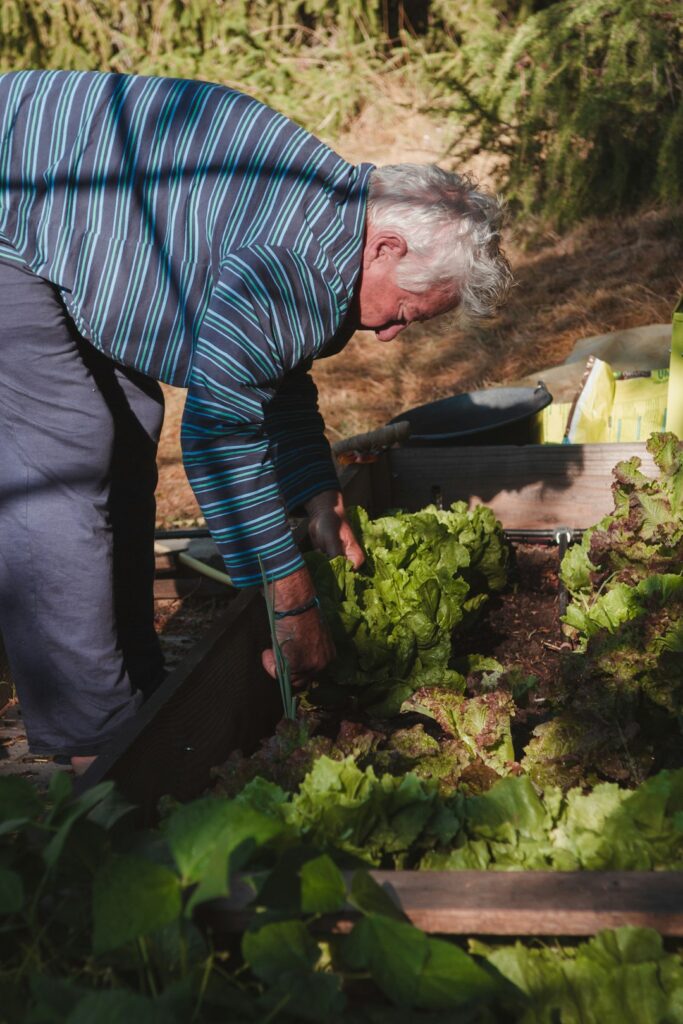
Gardening programs can also provide meaningful activities. Raised beds, container gardens, and indoor seed-starting projects allow residents to participate without requiring strenuous bending or prolonged outdoor exposure.
Does sustainability affect indoor air quality?
Yes. Energy efficiency and indoor air quality should be addressed together. A tightly sealed building can conserve energy, but it still needs effective ventilation, humidity control, filtration, and routine maintenance.
Healthy indoor air practices may include:
- Changing filters according to equipment and building needs
- Controlling moisture to discourage mold growth
- Maintaining kitchen and bathroom ventilation
- Selecting lower-emission paints, furnishings, and cleaning products when practical
- Preventing strong fragrances from affecting residents with respiratory sensitivities
- Responding promptly to water leaks or musty odors
Indoor air quality is especially relevant for people with asthma, chronic lung disease, allergies, or reduced immune defenses. Green cleaning should mean safer and more appropriate products, not simply products labeled “natural.”
How can residents participate?
Residents can contribute through gardening, recycling education, menu feedback, energy-awareness programs, and discussions about outdoor spaces. Participation should be voluntary and adapted to different physical and cognitive abilities.
A resident council or similar group may help identify practical concerns, such as overly warm hallways, excessive lighting at night, disposable items in activity rooms, or food that is regularly discarded.
Families can ask clear questions when comparing communities:
- How does the community measure energy and water use?
- What materials are recycled or composted?
- How are food waste and expired medications handled?
- Are outdoor areas accessible in different seasons?
- What safeguards protect comfort, air quality, and infection control?
- Are residents included in environmental planning?
The strongest sustainability programs are visible in ordinary operations. They maintain safe temperatures, reliable water, healthy meals, clean air, accessible grounds, and well-managed waste while avoiding unnecessary consumption. That practical balance matters more than a single green feature or a prominent environmental claim.
